Heating.
As reptiles are cold blooded animals and cannot thermoregulate, meaning, they cannot generate their own body temperature, they rely purely on external heat to survive. Without access to external heat, a reptile will not be able to digest their food and will rapidly perish.
Each individual reptile will come its own set of heating requirements. Reptiles that can be kept together can benefit from the same set up in one environment. For the rest of the reptiles-in-solitude, having their own heat and light dialled in just right will create the perfect environment. As reptiles cannot thermoregulate they will need access to a warm area and a cool area. To achieve this, your heat source should be positioned to one side of your enclosure, preferably in a corner or as far to one end as possible. This will allow for a natural tapering off of heat toward the opposite, cooler end, giving your reptile the freedom to choose between a variety of temperatures across the thermal gradient. The wamest part of the enclosure should be set to the maximum, ideal temperature for your species of reptile and the rest of the thermal gradient will take care of itself.
Main Styles of Reptile Heating.
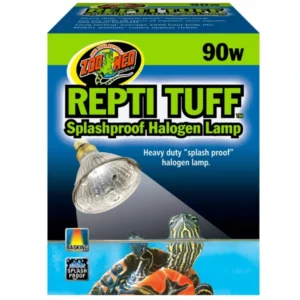
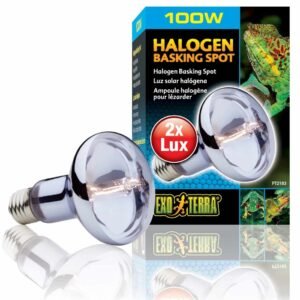
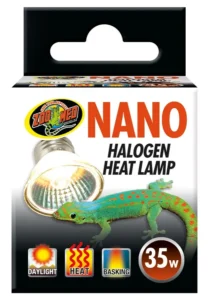
Halogen Bulbs: Halogen Bulbs emit visible light, UVA and infrared heat.
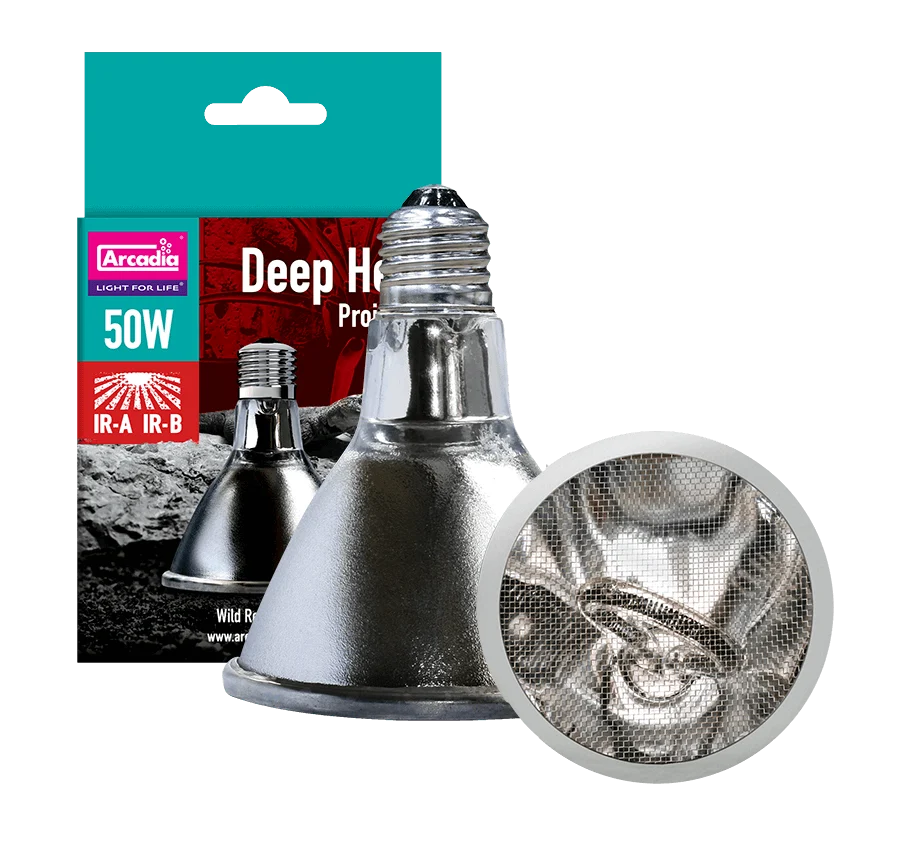
Deep Heat Projectors: Deep Heat Projectors (DHPs) emit infrared-A and infrared B waves to warm animals beneath the epidermis. DHP’s do not emit light.
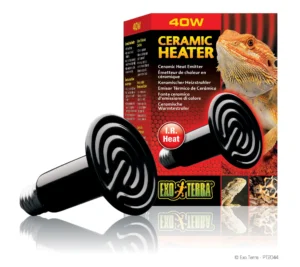
Ceramic Heat Emitters: Ceramic Heat Emitters screw into standard light bulb fixtures and emit powerful, constant heat with zero light.
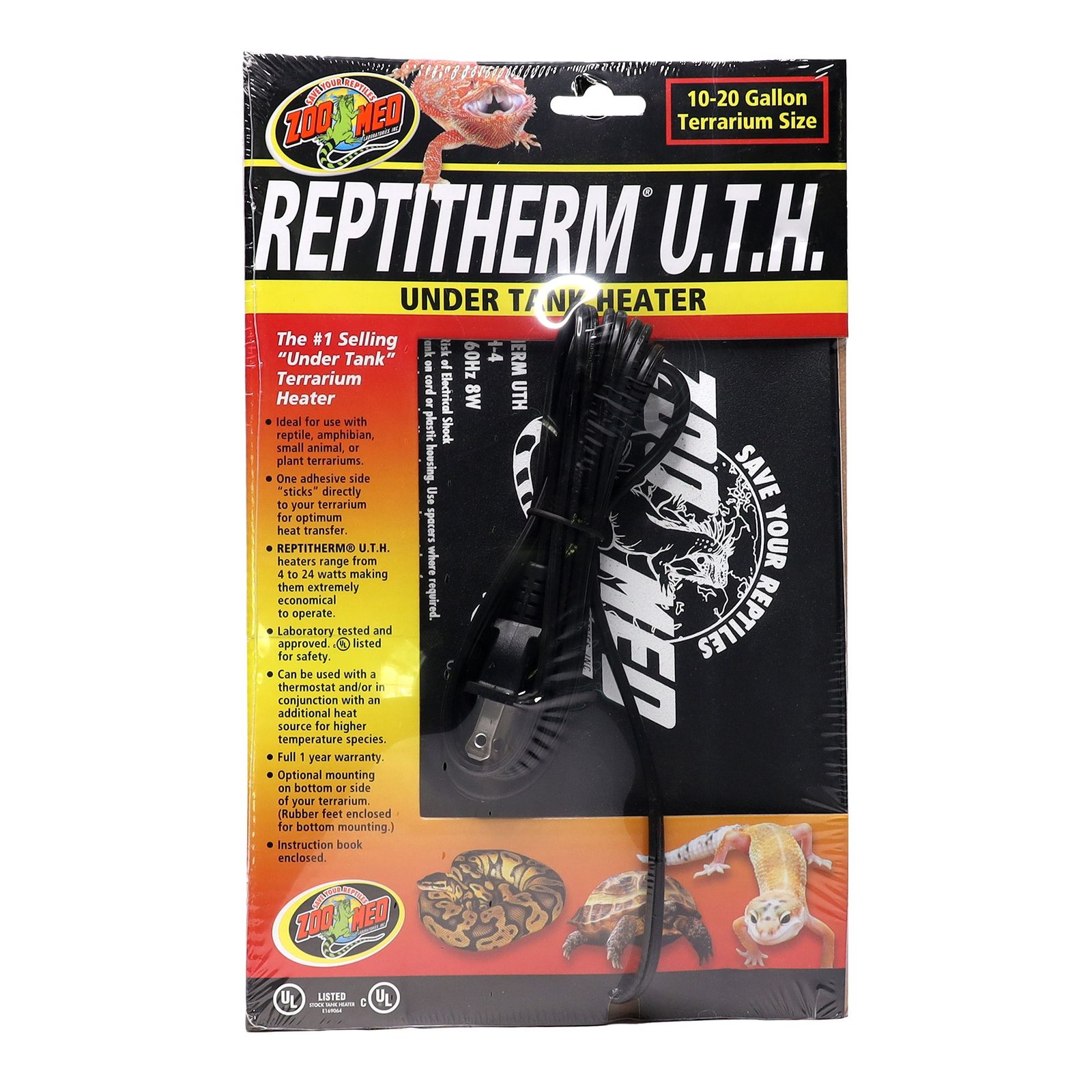
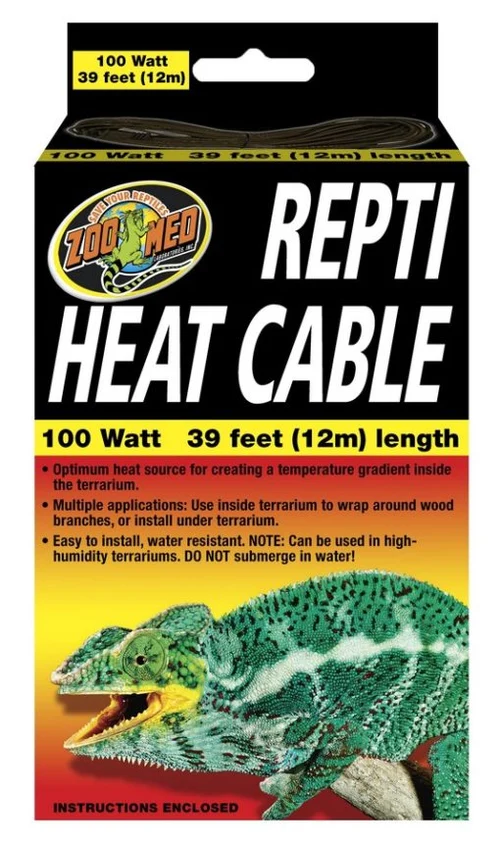
Heat mats and cables: Heat mats and Heat Cables are designed to sit under or on the side of a tank or heatable surface.
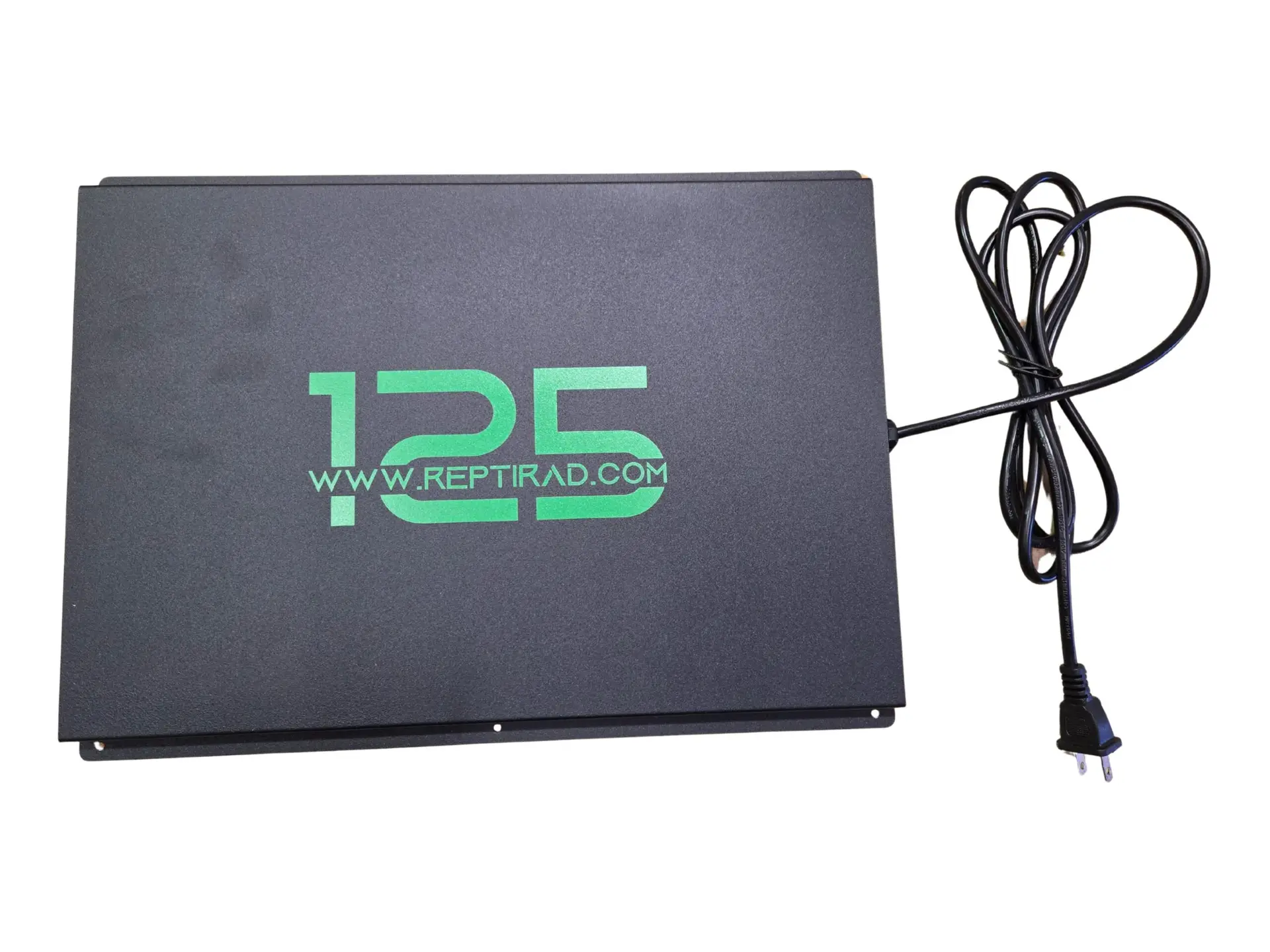
Radiant Heat Panel (RHP): A Radiant Heat Panel is a slim, ceiling-mounted heater that produces infrared warmth without visible light.
Thermostats.
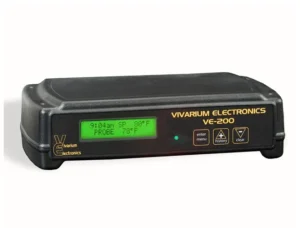
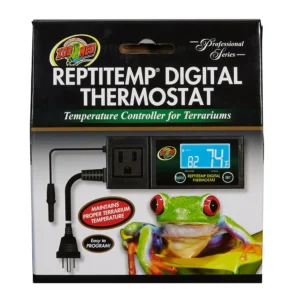
The use of a thermostat is highly recommended. Not just for the reptile but also the safety of the keeper. A thermostat is simply a device that regulates the heat to ensure it remains at the desired setting. Too high and it will cut off, too low and it will turn on. This will ensure the enclosure doesn’t overheat at any point during the day/night cycle, even when day lights turn on, or warm, natural light shines into an enclosure, or residual heat from stacked enclosures is transferred, a thermostat will always regulate the heat source to maintain the desired setting.
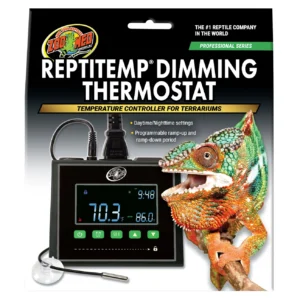
There are many kinds of thermostats on the market and the use of a reptile specific thermostat is recommended. You can find the simple bang-bang, on/off style thermostats at most reptile stores, all the way to pulse-proportionate thermostats, that drip feed the heat and can also be programmed to dip in temperature at night time. Generally speaking, any thermostat will do at the end of the day, but preference is given to pulse-proportionate thermostats with ramp up and ramp down controls and digital interfaces, for that extra level of control.